
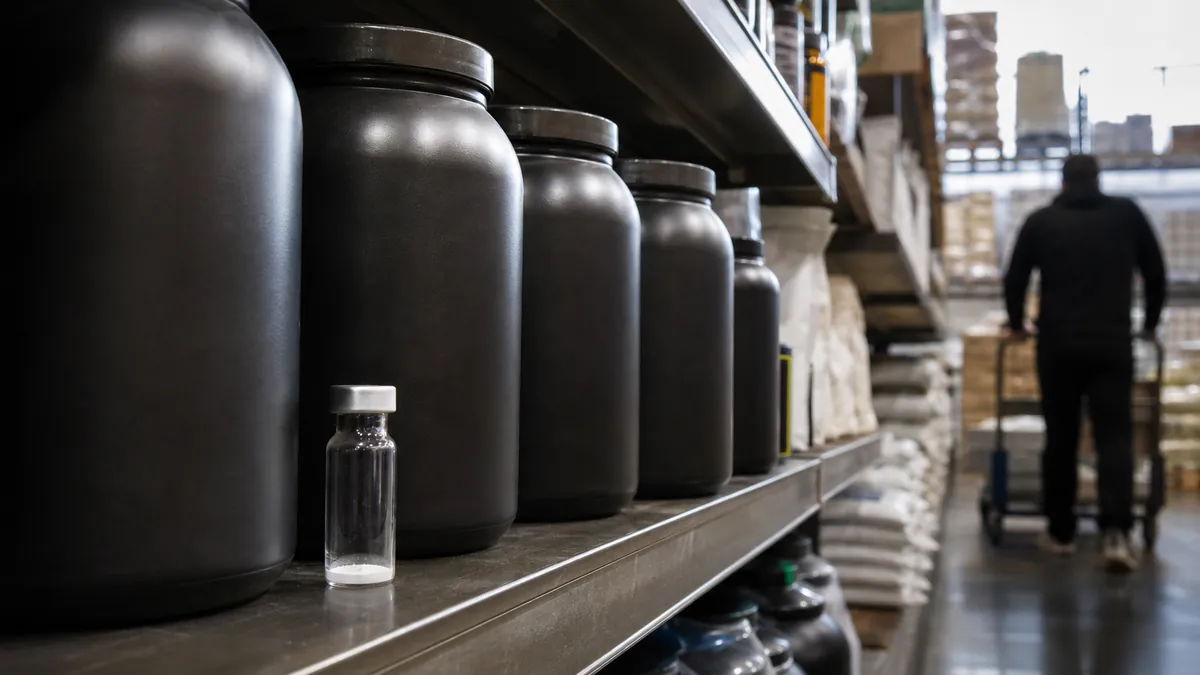
GLP-1 medications such as semaglutide and tirzepatide - both peptide-based active ingredients that regulate appetite - are changing not just how much people eat, but what they buy. New research and market data from 2026 reveal that the peptide boom is having tangible effects on the food industry, from snack demand to protein product sales.
What does the JAMA study reveal about purchasing behavior?
A study published in JAMA Network Open in January 2026 by Sørensen et al. analyzed real supermarket receipt data from 1,177 Danish consumers. The findings: after starting GLP-1 therapy, participants purchased foods with fewer calories, less sugar, and less saturated fat per 100 grams. Protein content per 100 grams increased. Notably, the share of ultra-processed foods in their baskets dropped, replaced by unprocessed and minimally processed items.
The researchers note that while individual-level changes were modest, the growing number of GLP-1 users could significantly impact the entire grocery market.
What market data is available for 2026?
Several recent analyses paint a clear picture:
- Circana (June 2026): GLP-1 users are projected to represent 35% of US food and beverage sales by 2030. 78% of users take the medications for weight loss.
- J.P. Morgan: The investment bank forecasts annual revenue reductions of $30-$55 billion for the food and beverage industry by 2030-2034, as GLP-1 users consume 21% fewer calories and spend 31% less on groceries.
- Acosta Group (April 2026): A survey of 2,117 US adults shows: 55% of GLP-1 users buy more fresh produce, 32% more yogurt, 31% more fresh chicken, and 30% more protein shakes.
Which industries win and lose?
The shifts are industry-specific. While snack manufacturers, confectionery, and the alcohol industry face declining demand, other sectors benefit:
- Protein economy: Demand for whey protein, yogurt, and dairy products is surging - a trend that has contributed to the current whey protein shortage.
- Fresh products: Fruits, vegetables, and fresh proteins are gaining ground.
- Convenience & single portions: GLP-1 users increasingly buy smaller portions at convenience stores and food service outlets.
Interestingly, Circana data shows GLP-1 users actually spend more at restaurants and food service than before - seeking convenient, suitable options for themselves and their households.
What does this mean for consumers?
The structural shift in the food market is real and will intensify in coming years. GLP-1 peptides are influencing not just their users' health but also supermarket shelves. For consumers, this means: more protein products, more single-serve options, and a growing selection of nutrient-dense convenience foods. Meanwhile, snacks and highly processed foods may become more expensive or less available.
Learn more in our article on the whey protein shortage driven by the GLP-1 boom.
This is not medical advice. This article provides neutral information on market developments.
Sources
- JAMA Network Open: Consumer Food Purchases After GLP-1 Receptor Agonist Initiation (Sørensen et al., Jan 2026)
- Circana: GLP-1 Users Will Represent 35% of U.S. Food and Beverage Sales by 2030 (June 2026)
- Food Navigator: Soup-To-Nuts Podcast - How will GLP-1s reshape food in 2026?
- J.P. Morgan: How Supply and Demand for Weight Loss Drugs is Playing Out
- Vesper: How GLP-1 drugs are shifting food demand - what 9 studies say
- Medical Xpress: GLP-1 drugs tied to lower-calorie, lower-sugar food purchases