Nutrition
GLP-1: Study Confirms Micronutrient Deficiency Risk
A new Harvard-reviewed analysis shows 1 in 7 GLP-1 users develops vitamin D deficiency within a year. Iron and B vitamins are also affected - and protein needs rise to 1.2-1.6 g/kg
GLP-1 medications, often called weight-loss injections (brand names include Ozempic and Mounjaro), such as semaglutide and tirzepatide (both peptide-based drugs, that is, short protein-like molecules given by injection), don't just suppress appetite; they also affect nutrient intake. A major narrative review by Urbina et al., published in Clinical Obesity (February 2026) and subsequently covered by Harvard Health, reveals that micronutrient deficiencies, that is, shortages of vitamins and minerals the body only needs in small amounts, are not a rare side effect but a common consequence of GLP-1 therapy.
How significant is the deficiency risk on GLP-1?
The Urbina et al. analysis examined six studies with 480,825 adults. The findings are striking:
- Vitamin D deficiency: The most common issue, 7.5% at 6 months, rising to 13.6% at 12 months
- Iron depletion: GLP-1 users showed 26-30% lower ferritin levels (the body's iron stores) compared to controls
- B vitamin deficiency: 2.6% of participants affected, with increasing trend over time
- Anemia due to nutritional deficiency: 4% of users affected
A cross-sectional study found that over 60% of GLP-1 users consumed below the recommended intake for calcium and iron. Vitamin D intake averaged only 20% of recommendations.
Why does the risk increase?
GLP-1 itself is a peptide hormone; semaglutide acts as a GLP-1 receptor agonist and tirzepatide as a dual GIP/GLP-1 agonist - both are peptide-based drugs. Together they slow how quickly the stomach passes food into the intestines and enhance satiety. The result: calorie intake drops significantly, and with it, the intake of essential nutrients. Gastrointestinal side effects like nausea and vomiting can further restrict food intake.
A real-world survey of roughly 4,500 GLP-1 users also suggests that nutritional deficiency diagnoses increase under therapy, though specific percentage figures from this study are currently only documented in secondary sources and should be interpreted with caution.
Protein needs: How much is enough?
Alongside micronutrient risks, protein requirements are a key concern. Since GLP-1 therapies cause rapid weight loss, 25-40% of which can be lean mass (that is, muscle, organs and other non-fat tissue, not fat stores), medical societies recommend increased protein intake:
- General recommendation: 1.2-1.6 g of protein per kg of body weight daily
- With resistance training: Up to 2.0 g/kg may be appropriate
- Older adults (65+): At least 1.2-1.5 g/kg to protect against sarcopenia (age-related loss of muscle mass and strength)
The standard DRI (Dietary Reference Intake, the official daily reference value) of 0.8 g/kg is considered insufficient during GLP-1 therapy. Since large meals are often poorly tolerated, experts recommend spreading protein intake throughout the day.
What this means for GLP-1 users
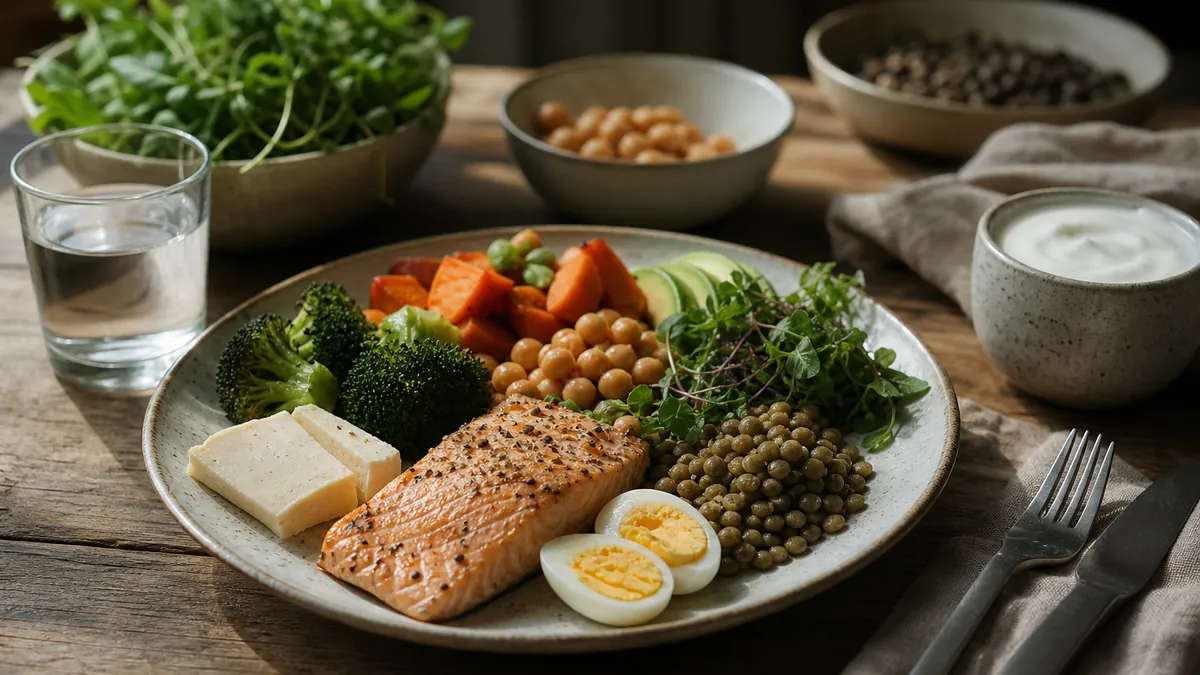
The evidence is clear: if you're using GLP-1 medications, you should actively monitor your nutrient intake. Vitamin D, iron, calcium, and B vitamins are particularly critical. Regular blood work can help detect deficiencies early. For protein, well-tolerated sources like Greek yogurt, eggs, fish, or protein shakes can help, learn more in our article on GLP-1 Companion Nutrition: A Billion-Dollar Category Emerges.
Disclaimer: This article is for informational purposes only and does not constitute medical advice. Consult your healthcare provider or a registered dietitian before taking supplements or making dietary changes. This is not medical advice.
Sources
- Harvard Health: Taking GLP-1 drugs may increase risk of key nutrient deficiencies
- Urbina et al. 2026 - Micronutrient and Nutritional Deficiencies (Clinical Obesity)
- PubMed: Urbina et al. 2026
- Frontiers in Nutrition: Nutrient intake during GLP-1RA use
- PMC: Nutritional deficiencies and muscle loss in GLP-1RA users
- Joint Advisory ACLM/ASN/OMA/TOS: Nutritional Priorities for GLP-1 Therapy
Not medical advice.